Insurance Adjuster Called After a California Crash? What to Say, Save, and Avoid Signing
After a California crash, insurance calls can start before the injured person knows the full medical picture. Here is what to document before giving statements, signing releases, or accepting early payment.
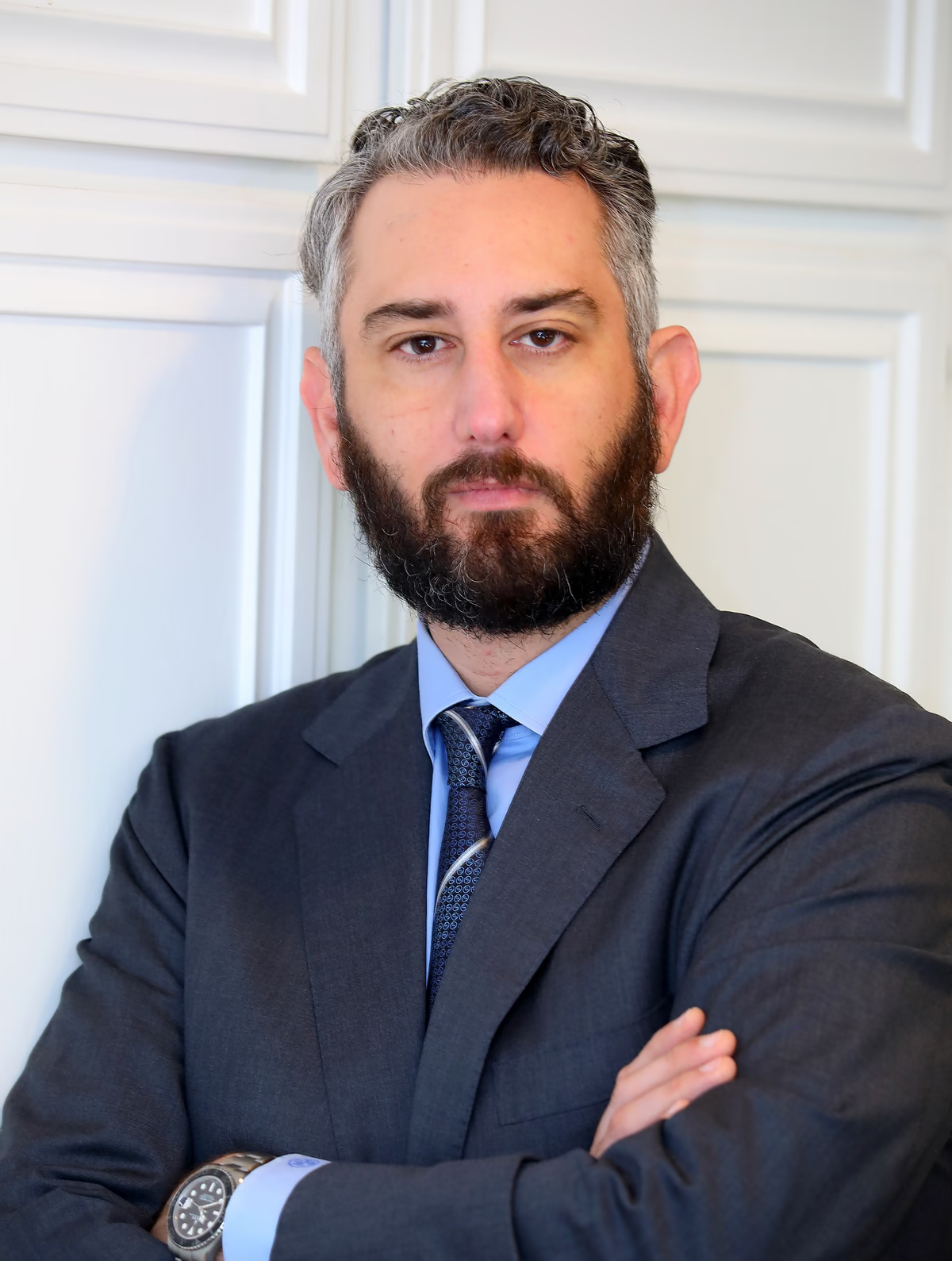
CA Bar #286995 · Admitted 2013
After a crash, the first insurance call can feel routine. The adjuster may sound friendly. They may ask for a recorded statement, a medical authorization, photos, repair estimates, or a quick description of what happened.
Some requests are normal. Some can affect the claim before the injured person knows how serious the injuries are.
If you were hurt in a crash in California, the goal is not to be difficult or dishonest. The goal is to be accurate, protect your medical privacy, and avoid signing away rights before the evidence is clear.
Important: This article provides general information, not legal advice. Insurance rules, deadlines, and claim strategy depend on the facts. Contacting Law Office of Arta Wildeboer does not create an attorney-client relationship unless a written agreement is signed.
Why the First Insurance Call Matters
Insurance companies often move fast because early information shapes the file.
An adjuster may ask about:
- how the crash happened,
- whether anyone was injured,
- whether police or CHP responded,
- whether an ambulance came,
- where the vehicles were damaged,
- whether there were passengers or witnesses,
- whether you have prior injuries,
- whether you will give a recorded statement,
- whether you will sign a medical release,
- whether you want to settle quickly.
The problem is timing. Pain can worsen after adrenaline fades. Imaging, follow-up visits, and medical-provider notes may not exist yet. A short statement given too early can later be treated like the full story.
Be Truthful, But Do Not Guess
If you talk with an insurer, do not exaggerate. Also do not fill gaps with guesses.
It is fair to say:
- "I am still getting medical evaluation."
- "I do not know the full extent of my injuries yet."
- "I need to review the police or CHP report."
- "I do not know all witness names yet."
- "I am not comfortable giving a recorded statement today."
- "Please send that request in writing."
Avoid guessing about speed, distances, impact angles, medical causation, or whether you are "fine" if you have not been evaluated. Guessing is how a rough memory becomes a problem later.
Recorded Statements Are Not Just Conversation
A recorded statement can become claim evidence. The adjuster may ask questions in a way that sounds casual, but the answers can be compared against medical records, police reports, later testimony, and other witness statements.
Before giving a recorded statement, consider:
- Which insurance company is asking?
- Are they your insurer, the other driver's insurer, or another policy?
- Are you required by your own policy to cooperate?
- Are you being asked about injuries before medical care is complete?
- Do you understand how the recording may be used?
There is a difference between reporting a claim and giving a broad recorded narrative. If you are unsure, get advice before agreeing.
Be Careful With Medical Authorizations
After a crash, an insurer may send a medical authorization form. Some forms are narrow. Others are broad enough to request years of unrelated medical history.
Before signing, look at:
- whose records the form allows the insurer to request,
- how far back it reaches,
- whether it includes mental-health, pharmacy, or unrelated prior records,
- whether it expires,
- whether it lets the insurer speak directly with medical providers,
- whether a narrower records request would be enough.
Medical history can matter in an injury claim, but that does not mean every broad authorization should be signed without understanding it.
Save the Crash Record Before It Disappears
Evidence can vanish quickly. Vehicles get repaired. Dashcam clips overwrite. Nearby businesses delete security video. Skid marks fade. Witnesses become hard to find.
Save:
- photos and videos of vehicles, damage, debris, road conditions, lights, signs, crosswalks, bike lanes, sidewalks, and weather,
- the police, sheriff, or CHP report number,
- names and contact information for witnesses,
- insurance letters, emails, claim numbers, and adjuster names,
- medical records, discharge papers, imaging orders, prescriptions, and follow-up instructions,
- photos of visible injuries over time,
- receipts for towing, rental cars, rideshare trips, medical equipment, childcare, or household help,
- missed-work records, pay stubs, and employer messages,
- screenshots of texts, app messages, or posts related to the crash.
Do not rely on the insurer to collect everything that helps you. Their file is not the same as your evidence file.
Remember the DMV SR-1 Issue
California DMV provides an SR-1 traffic accident reporting process. DMV's SR-1 page says to report a traffic accident by filing an SR-1. The report requirement and timing can matter after crashes involving injury, death, or significant property damage.
A DMV report is not the same as a police report, insurance claim, or injury claim. Keep copies of what you submit and any confirmation you receive.
Watch for Early Settlement Pressure
An early settlement offer may arrive before the injured person knows:
- whether symptoms will resolve,
- whether more treatment is needed,
- whether time off work will continue,
- whether there are future medical expenses,
- whether another insurance policy applies,
- whether the crash report, video, or witness statements change the picture.
A release usually ends the claim. Once signed, it may be difficult or impossible to reopen the matter for later-discovered injuries or expenses.
Do not sign a release just because the adjuster says the offer expires soon. Ask for the document. Read it. Understand what claims and parties it releases.
When to Call a Personal Injury Lawyer
Consider talking with a California personal injury lawyer before giving broad statements or signing insurance paperwork if:
- you were transported by ambulance or went to urgent care or the ER,
- symptoms are worsening,
- you missed work,
- the other driver denies fault,
- multiple vehicles, pedestrians, cyclists, rideshare vehicles, delivery vehicles, or commercial vehicles were involved,
- the insurer asks for a recorded statement,
- the insurer sends a broad medical authorization,
- you receive a settlement offer before treatment is complete,
- you are unsure which insurance policy applies.
The goal is not to make every claim complicated. The goal is to avoid making a serious claim weaker before the facts are known.
Sources
- California DMV: Report of Traffic Accident Occurring in California (SR-1)
- California Highway Patrol: Traffic, crash information, and crash report requests
Bottom Line
After a California crash, be honest, but do not guess. Save the evidence. Keep copies of medical records, reports, claim letters, receipts, wage records, and insurer communications. Be careful before giving recorded statements, signing broad medical authorizations, or accepting early payment.
Law Office of Arta Wildeboer helps injured people in Downey, Southeast Los Angeles, the Gateway Cities, and Los Angeles County understand serious crash claims, insurance issues, and evidence-preservation steps. If an insurance adjuster is already calling and you are not sure what to say or sign, contact Law Office of Arta Wildeboer for a free consultation about your specific situation.
Call or text (562) 608-8887 or contact Law Office of Arta Wildeboer online for a free consultation.
Se habla español. Farsi and Filipino/Tagalog assistance are also available.
Past results do not promise any outcome, and contacting the firm does not create an attorney-client relationship unless a written agreement is signed.
Attorney Advertising. This article is for general informational purposes only and does not constitute legal advice. Reading this content does not create an attorney-client relationship. Laws change frequently — consult a qualified attorney about your specific situation.